


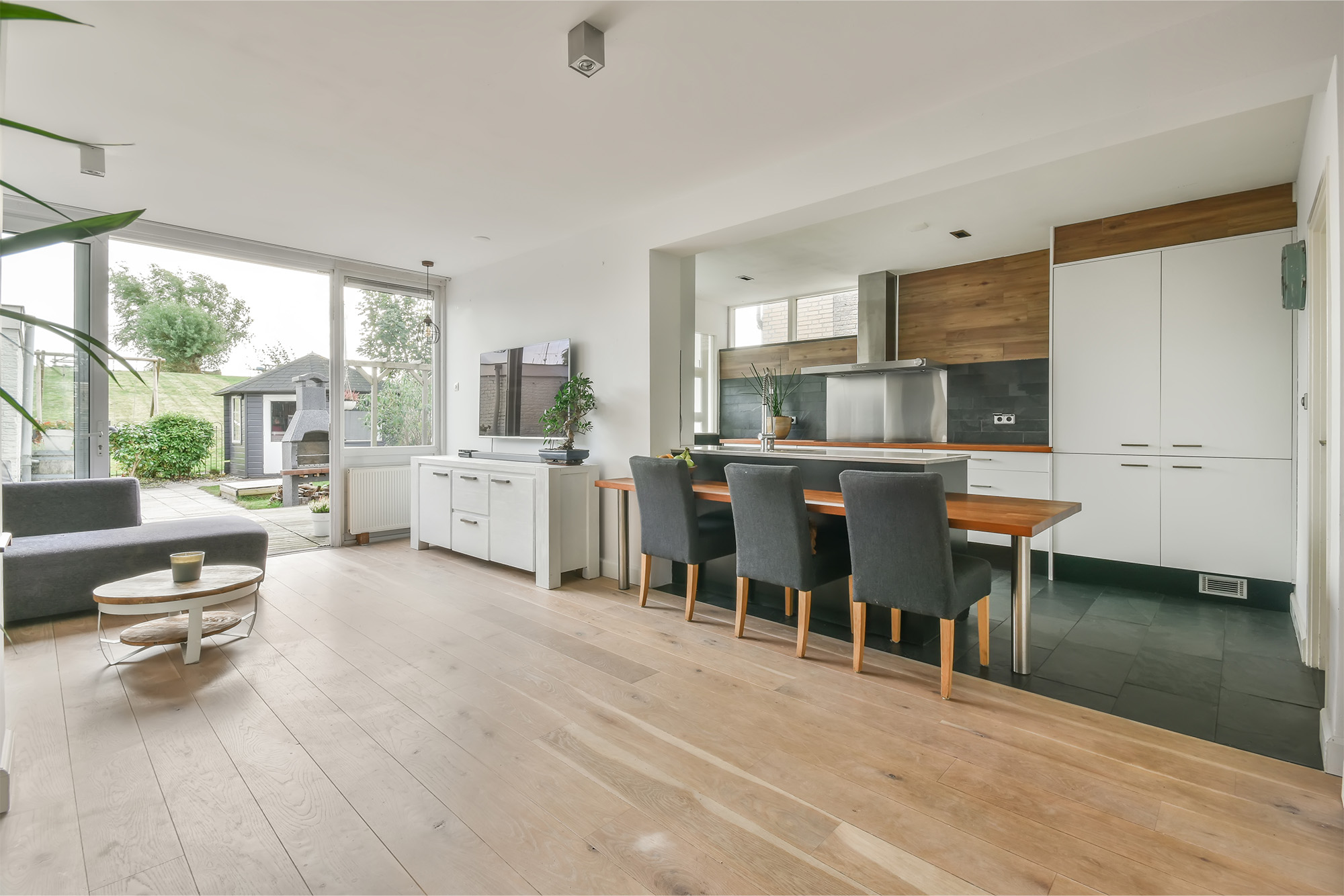
In the age of open-concept floor plans and hard surface trends, "noise" has become one of the most common complaints among homeowners. Whether it’s the sound of a television in the next room, the "click-clack" of a dog’s nails on the floor, or the thud of footsteps from the floor above, sound can significantly impact your quality of life. Acoustic flooring is no longer just for recording studios or high-end hotels; it has become an essential component of the modern, peaceful home.
Understanding Sound: Impact vs. Airborne
To solve a noise problem, you first have to understand the two types of sound:
Airborne Sound: This is sound that travels through the air, like voices or music.
Impact Sound: This is sound caused by physical contact with the floor, like footsteps or dropping a remote control.
While insulation in the walls helps with airborne sound, the flooring choice is the primary defense against impact sound. This is measured by the Impact Insulation Class (IIC) rating. The higher the number, the better the floor is at absorbing vibrations.
Carpet: The Undisputed King of Quiet
If silence is your top priority—especially in bedrooms or upper-floor playrooms—nothing beats high-quality carpet. Carpet acts as a massive sound-absorbent sponge, soaking up vibrations before they can travel through the floor joists. In 2026, modern carpet fibers are more stain-resistant than ever, making them a viable option even for active families.
The Secret is in the Underlayment
If you prefer the look of hardwood or vinyl, you can still achieve impressive acoustic results by focusing on the underlayment. Not all "foam" is created equal. High-density rubber or recycled cork underlayments can significantly dampen the "hollow" sound often associated with laminate and vinyl floors. At Space Floors, we specialize in high-IIC installations that ensure your beautiful new floors don't turn your home into an echo chamber.
Strategic Layouts for Better Sound
Beyond material choice, the way a floor is laid can affect acoustics. For example, floating floors (which are not nailed or glued directly to the subfloor) often require a higher-quality underlayment to prevent the "drum effect." Conversely, glued-down vinyl or wood provides a more "solid" feel and sound underfoot.
We are committed to helping our clients create homes that are as quiet as they are beautiful. For more information on our history of technical excellence, feel free to read About Us. If you’re ready to bring some peace and quiet to your living space, find us at our Location for a personalized acoustic consultation!


