


When planning a floor replacement, the vast majority of visual inspiration centers around the top aesthetic layer—the rich honey-toned planks, the plush carpets, or the sleek porcelain slabs. However, the true durability and longevity of any surface depend entirely on a hidden structural hero: the subfloor. Proper subfloor preparation is arguably the most critical component of a successful installation process. Skipping or rushing through this foundational phase frequently results in costly post-installation failures, including loud squeaking, loose planks, cracking grout, or accelerated structural wear.
Identifying Potential Vulnerabilities in Subfloor Structures
A subfloor serves as the primary structural platform anchored directly to a building's joists, typically consisting of sturdy plywood, oriented strand board (OSB), or concrete. Before any fresh surface material is unrolled or laid down, this foundation must undergo an exhaustive inspection to verify its integrity. If a wooden subfloor exhibits water damage, soft spots, or rot from past undetected leaks, these compromised sections must be entirely cut out and replaced to protect the future structure.
Moisture remains an absolute enemy to flooring longevity. In concrete slabs, vapor emission can quietly rise through porous pathways, attacking adhesives or causing natural wood fibers to severe cup, buckle, or swell. Technicians apply specialized moisture testing kits to verify that moisture levels stay safely within specified margins. If high readings occur, laying down a robust, high-performance vapor barrier or a specialized liquid sealer becomes mandatory to insulate the new installation from underlying humidity.
Achieving a Perfectly Smooth and Level Foundation
Beyond moisture management, the overall flatness of a subfloor directly dictates how stable the final surface will feel underfoot. No subfloor is naturally flawless; concrete can have raised ridges, and older plywood floors frequently sag or dip across high-traffic pathways. Installing a rigid click-lock surface over an unlevel subfloor places extreme stress on the interlocking joints, causing them to flex repeatedly until they inevitably crack and separate.
Grinding High Zones: Raised imperfections on a concrete base are systematically ground down using industrial diamond disc equipment until flat.
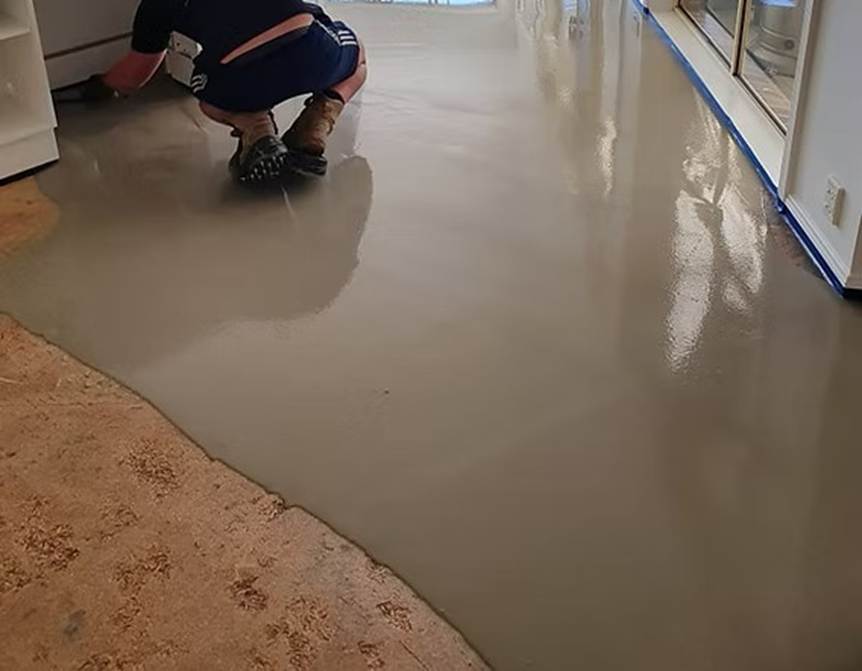
Pouring Self-Leveling Compounds: For significant low zones, a liquid cementitious compound is expertly applied across the floor. This self-leveling solution naturally fills depressions, curing into a perfectly smooth, uniform substrate.
Investing in Long-Term Structural Stability
Prioritizing rigorous structural preparation ensures that any selected material behaves exactly as engineered. A properly leveled and prepared foundation maximizes structural support, eliminates irritating hollow sounds, and ensures that manufacturer warranties remain fully protected and valid over the years. Taking the time to build a robust foundation prevents the massive headache and financial strain of ripping up failed materials down the road.
Learning more about specialized installation methodologies and strict quality standards helps clarify why technical precision matters. Find out more about the history of craftsmanship by visiting the About Us platform. If you are preparing to kick off a home remodeling project and want to guarantee it is built to endure, stop by our showroom Location to get professional advice on properly evaluating and preparing subfloors.


