


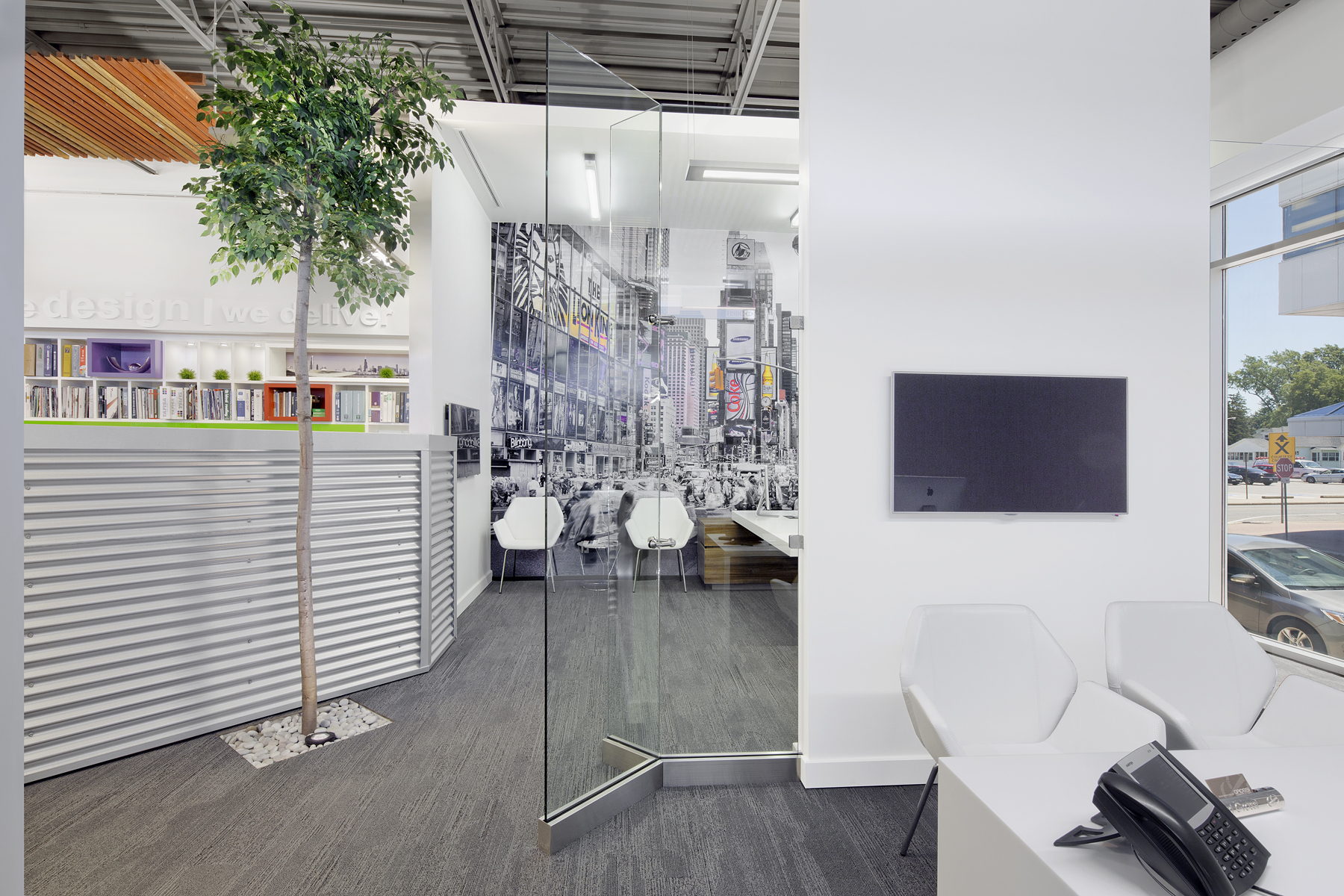
In a commercial environment, the flooring is more than just a surface—it is a functional component of the building's infrastructure. It must withstand thousands of daily footfalls, resist chemical spills, meet stringent safety regulations, and maintain a professional appearance to clients and stakeholders. Commercial flooring is a specialized field where "standard" residential products often fall short. Whether you are outfitting a high-tech corporate headquarters, a bustling retail boutique, or a heavy-duty healthcare facility, your choice of flooring will directly impact employee productivity, safety, and long-term maintenance costs.
The Psychology of Flooring in Branding and Productivity
The physical environment of a business speaks volumes to its customers. A sleek, polished concrete floor in a tech firm signals innovation, transparency, and modernism. Conversely, thick, high-quality carpeting in a law firm or a consulting agency suggests reliability, privacy, and tradition.
Beyond aesthetics, flooring plays a role in "wayfinding." In large retail environments or hospitals, different colors or textures of flooring are often used to subtly guide traffic flow, leading customers toward specific departments or exits without the need for excessive signage. Furthermore, ergonomic flooring—materials with a bit of "give"—can reduce leg fatigue for employees who stand for long periods, leading to higher morale and fewer workplace injuries.
Top Commercial Flooring Materials for 2026
Luxury Vinyl Tile (LVT): LVT is currently the industry leader for commercial spaces. It provides the aesthetic of wood or stone but with a massive wear layer (often 20mil or higher) that can handle heavy carts and constant foot traffic. It is also modular, meaning if one section is damaged, that specific tile can be replaced without tearing up the entire room.
Commercial Carpet Tiles: Unlike traditional broadloom carpet, tiles are the gold standard for office spaces. They offer superior sound absorption, which is critical in open-plan offices, and can be arranged in creative patterns to match corporate colors.
Polished Concrete and Epoxy: For industrial settings or trendy "industrial-chic" restaurants, polished concrete is unmatched in durability. It is incredibly easy to sanitize and, when treated with high-quality epoxy coatings, can resist even the harshest chemical spills.
Rubber Flooring: Commonly found in gyms, schools, and healthcare facilities, rubber flooring is naturally slip-resistant, sound-absorbent, and incredibly soft underfoot.
Safety, Liability, and Compliance
For any business owner, safety is a primary concern. Slip-and-fall accidents are a major source of liability. Therefore, selecting materials with a high Slip Resistance Rating (SRR) is non-negotiable, particularly in entryways where rain, mud, or snow may be tracked in.
In addition to slip resistance, commercial flooring must meet strict fire-safety codes and ADA (Americans with Disabilities Act) requirements. This includes ensuring that transitions between different types of flooring (e.g., moving from carpet to tile) are flush and do not create a trip hazard. Our team at Space Floors stays updated on all local building codes to ensure your project is fully compliant from day one.
Acoustic Management in Modern Workspaces
One of the most overlooked aspects of commercial design is acoustics. In an era of glass walls and open-concept layouts, noise pollution has become a significant productivity killer. Hard surfaces reflect sound waves, creating echoes that make it difficult for employees to concentrate or hold private conversations.
By strategically choosing flooring with high Sound Transmission Class (STC) or Impact Insulation Class (IIC) ratings, you can significantly dampen the ambient noise. Carpet tiles with integrated cushion backings are particularly effective at absorbing the "click-clack" of high heels and the low-frequency hum of office machinery.
Sustainability and Environmental Impact
Modern businesses are increasingly held to high environmental standards. Choosing sustainable flooring is a powerful way to reduce a company’s carbon footprint. Options such as cork, bamboo, and flooring made from recycled ocean plastics are becoming more popular. Many of these products contribute to LEED (Leadership in Energy and Environmental Design) certification, which can provide tax benefits and improve a company's public image.
Why Partner with Space Floors for Your Project?
Executing a commercial flooring project requires precise timing to minimize business downtime. We specialize in phased installations—working after hours or during weekends to ensure your operations are not disrupted. Our commitment to quality and efficiency is what sets us apart in the industry.
To learn more about our experience with large-scale projects and our history of excellence, we invite you to read more About Us. If you are ready to upgrade your business environment, stop by our showroom at our primary Location to discuss your specific needs with our commercial consultants and find the perfect foundation for your business’s future.


